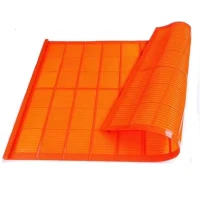
Why do they line tunnels with tile?
Tunnels are a crucial aspect of transportation infrastructure, providing safe and efficient routes for vehicles and pedestrians to travel through mountains, under rivers, and beneath cities. However, the environment inside a tunnel can be harsh and challenging, with high levels of humidity, heat, and debris. To ensure the safety and longevity of tunnels, engineers have developed various methods for lining them, with tiles being one of the most popular choices. In this article, we will delve into the reasons why they line tunnels with tile, exploring the history, benefits, and drawbacks of this approach.
History of tile lining in tunnels
The practice of lining tunnels with durable materials dates back to ancient times, with the Egyptian pyramids being the earliest example of this technique. However, it wasn''t until the Industrial Revolution that the technology and materials needed for tunnel lining became widely available, enabling engineers to construct longer and more complex tunnels.
One of the earliest known examples of tile lining can be found in the Thames Tunnel in London, which was completed in 1843. The tunnel, which stretched under the Thames River, used a ceramic tile lining to prevent water from seeping in and causing damage to the structure. The success of this approach led to its widespread adoption in tunnels around the world, with various types of tiles being used depending on the specific needs and challenges of each project.
Benefits of tile lining in tunnels
Tile lining offers a range of benefits for tunnels, making it a popular choice among engineers. Some of the most significant advantages of tile lining include:
1. Durability: Tiles are extremely durable and can withstand high levels of wear and tear, making them ideal for use in tunnels. They can also resist corrosion, erosion, and chemical damage, ensuring that the tunnel remains structurally sound and safe for use over a long period of time.
2. Water resistance: Tunnels are often located in areas with high levels of groundwater, which can cause flooding and damage to the structure. Tile lining provides a waterproof barrier that prevents water from seeping in and causing damage to the tunnel.
3. Fire resistance: Tiles are fire resistant, which is crucial for tunnels that carry flammable materials or are located in areas with a high risk of fire. In the event of a fire, the tiles can help contain the blaze and prevent it from spreading through the tunnel.
4. Ease of maintenance: Tiles are relatively easy to clean and maintain, requiring only periodic inspections and minor repairs as needed. This can save time and money compared to other types of tunnel lining, which may require more extensive maintenance and repairs.
5. Aesthetic appeal: In addition to their functional benefits, tiles can also enhance the aesthetic appeal of a tunnel. Tiles come in a variety of shapes, sizes, and colors, allowing engineers to create unique and visually appealing designs that add to the overall aesthetics of the tunnel.
Drawbacks of tile lining in tunnels
Despite its many advantages, tile lining also has some drawbacks that engineers and contractors must consider. Some of the most significant drawbacks include:
1. Cost: Tile lining can be more expensive than other types of tunnel lining, particularly for large projects. The cost of materials and installation, as well as the need for skilled labor, can drive up the overall cost of the project.
2. Installation time: Tile lining can take longer to install than other types of lining, particularly if the tiles need to be custom made or cut to fit specific areas of the tunnel. This can impact the overall timeline of the project and delay its completion.
3. Fragility: While tiles are durable, they can still be fragile and prone to damage if not handled and installed properly. This can result in tiles cracking or breaking over time, requiring repairs or replacement.
4. Maintenance: While tiles are relatively easy to maintain, they still require periodic inspections and repairs to ensure they remain in good condition. This can increase the overall cost and time investment required for the project.
Types of tiles used in tunnel lining
There are several types of tiles used in tunnel lining, each with its own unique properties and benefits. Some of the most common types of tiles used in tunnel lining include:
1. Ceramic tiles: Ceramic tiles are the most common type of tiles used in tunnel lining. They are durable, fire-resistant, and water-resistant, making them ideal for use in tunnels.
2. Glass tiles: Glass tiles are a newer type of tile used in tunnel lining. They offer the same benefits as ceramic tiles but also have the added advantage of being translucent, which can enhance the aesthetics of the tunnel.
3. Metal tiles: Metal tiles are used in tunnels that require a high level of corrosion resistance, such as those located near the ocean. They are also fire-resistant and durable, making them an ideal choice for tunnels that carry hazardous materials.
4. Concrete tiles: Concrete tiles are used in tunnels that require a high level of impact resistance, such as those that carry heavy vehicles or machinery. They are also durable and fire-resistant, making them a popular choice in many different types of tunnels.
Conclusion
In conclusion, tile lining is a popular and effective method for lining tunnels, offering a range of benefits and advantages over other types of lining. While it may be more expensive and time-consuming than other approaches, it provides a durable, water-resistant, and fire-resistant barrier that can protect the tunnel and ensure its longevity. By understanding the history, benefits, and drawbacks of tile lining, engineers and contractors can make informed decisions about the best approach for their specific project.