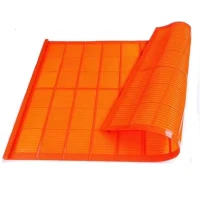
Alumina ceramic liner is a very common and practical ceramic product, which is widely used in various industries, such as construction, chemical industry, electric power and so on. Now, let's take a look at the production process of alumina ceramic liner.
First of all, the raw materials for making alumina ceramic liner are alumina and other additives. These raw materials need to be precisely proportioned to ensure that the ceramics made have excellent properties.
Next, the proportion of raw materials into the electric furnace for high-temperature firing. During the firing process, the furnace temperature and time, as well as other environmental factors in the firing process, need to be rationally adjusted to ensure that the product can meet the expected quality requirements.
After firing, the alumina ceramic liner needs to be subsequently processed and treated. This includes sanding, cutting, grinding, etc. to ensure that the flatness, thickness, hardness, etc. of the ceramic product meets the standards to the greatest extent possible.
Finally, the alumina ceramic liners can be shipped after strict quality testing. These products will be used in a variety of scenarios in various industries, such as hydraulics, sealing, insulation, and even chemical reactors. They have excellent properties such as excellent abrasion resistance, corrosion resistance, and high temperature resistance, which provide an important guarantee for production and work in various industries.
In short, the technology and techniques required to make alumina ceramic liners are very advanced, and they need to be subjected to strict quality control and testing in order to ensure the quality and performance of the products. Of course, the manufacture of these products also requires the continuous innovation and improvement of our practitioners to better meet the needs of the market and society.